Today I walked the Dupont and Logan Circle neighborhoods and wondered to whom does the agency belong to tell the history of this area? Certainly not me. I am the literal outsider, which is why I am concerned.
If I were not here as part of a college class, would I be able to get a look behind the curtain at the history of the neighborhoods, or would I only have access to the sanitized view prepackaged for tourists?
The influences of famous African Americans like composer and performer Duke Ellington, artist Alma Thomas, and civil rights activist Mary McLeod Bethune are still seen due to their memorialization with official plaques commemorating their local connection. But knowing only a novice amount of DC history, the fact that preservationist agendas led to a parabolic rise in property values was readily evident, as was the associated displacement of many of the original residents of the historic African American neighborhoods. Does a historical marker make up for a near-complete change in the fabric of a community? I think not, but now that the thread is pulled, how does one repair the weft?

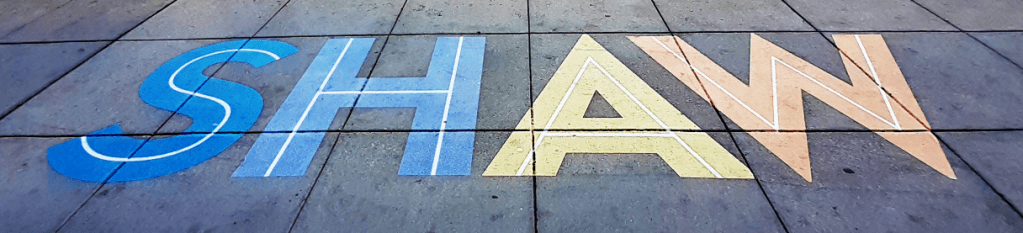
The Shaw historic district can be easily viewed as a successful mixed-use urban entertainment area but its deep ties to the African American experience dating back to the end of the Civil War are not as easily recognized. The neighborhood is named after Colonel Robert Gould Shaw, who was over the 54th Massachusetts Volunteer Infantry that consisted of Soldiers of African descent. I suspect the connection would be almost completely lost if it were not for the African American Civil War Museum.
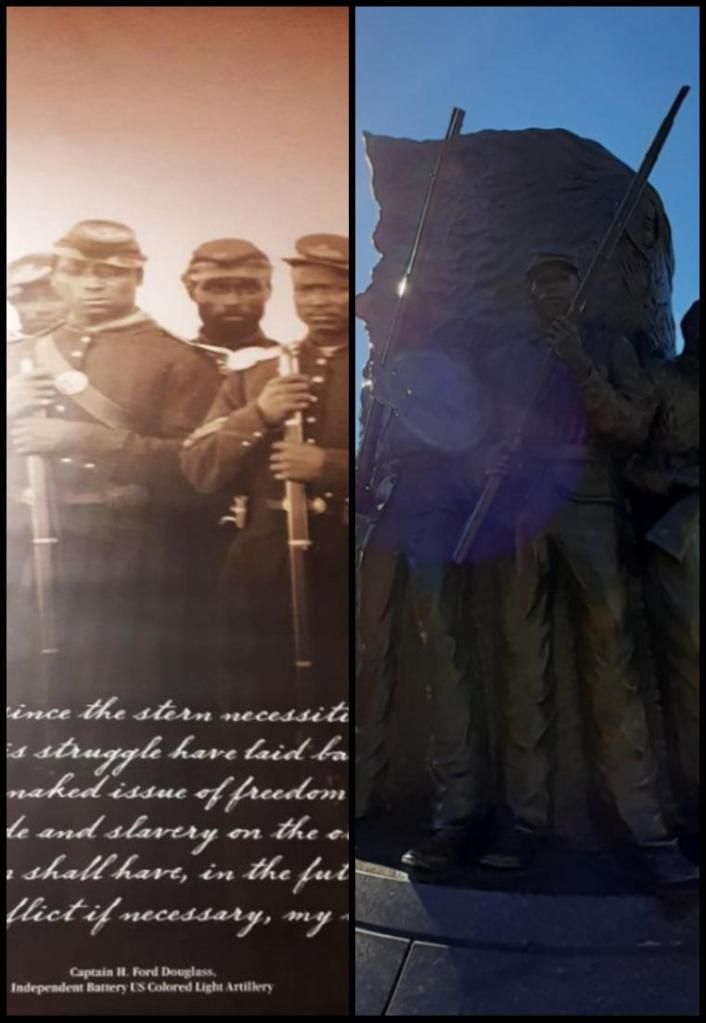
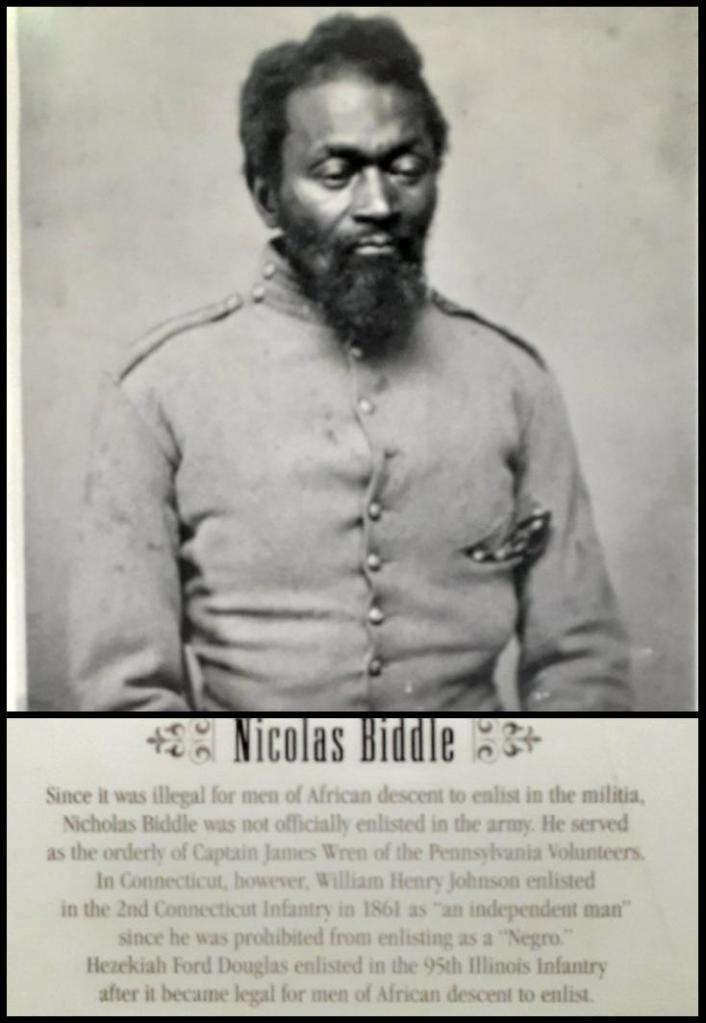
I’ve visited multiple military museums across the United States both on and off of military installations and the African American Civil War Museum and Memorial illustrated just how incomplete the presentation of our historical canon is. This brings me back to the question of agency. Why haven’t all voices been given the agency to tell their story on equal footing? Why is the story still so often presented in a manner that omits or others our history along racial lines? How as a future museum professional do I work to de-silo the presentation of many voices that make up our country’s history? Undoubtedly this work will have to include the groups to whom the voices belong as mistakes will inevitably be made so long as outsiders, no matter how well-meaning, try to speak for them.
 Museum Studies & Cultural Heritage